Serving Canton, MA and surrounding areas. (781) 633-0867
Your parking area should hold up through New England winters and look clean year-round. We build properly drained, permitted concrete lots that stay solid for decades.
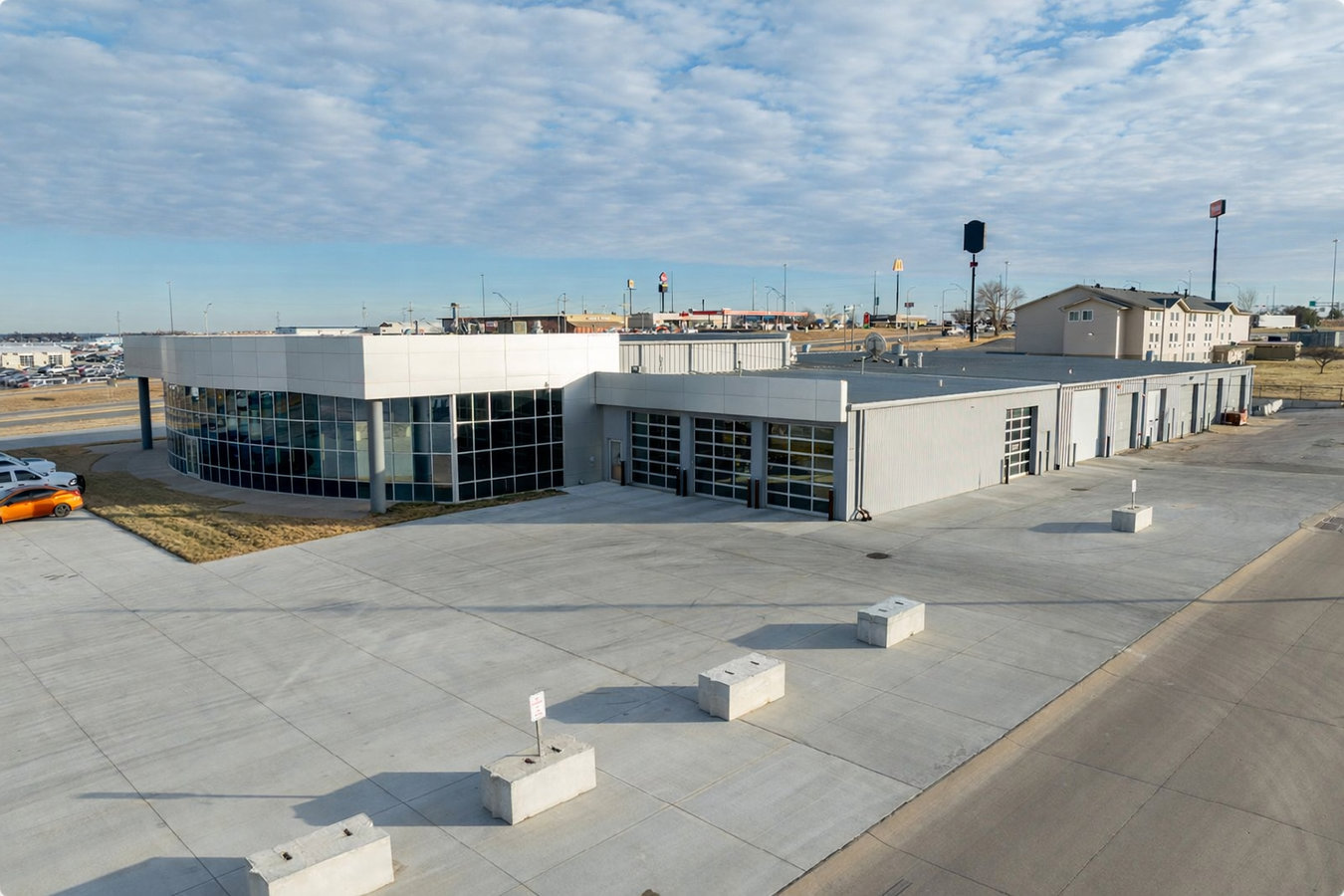
Concrete parking lot building in Canton, MA involves removing the existing surface, compacting a stable gravel base, and pouring a thick slab graded to drain properly - most residential and small commercial lots take three to seven days from excavation to a ready surface, not counting the curing period before you can drive on it.
Canton homeowners and business owners reach out to us when a gravel area has become unmanageable, when an older asphalt or concrete surface has crumbled past the point of patching, or when a new structure requires permanent parking. The freeze-thaw cycles in Norfolk County are unforgiving - a lot built without proper drainage and the right concrete mix will show cracks within a few winters. If you are also considering paving around the building itself, our concrete driveway building service covers residential approach and apron work.
A concrete lot that is built correctly is a long-term investment - one that can outlast two or three asphalt resurfacings and still look clean on a home inspection report.
Large cracks running across the surface, chunks breaking off, or spots where the ground has visibly sunk all indicate the surface has failed beyond patching. In Canton's climate, once water enters those cracks and freezes repeatedly over winter, the damage accelerates quickly - a minor crack in October can be a structural problem by April.
Standing water on a parking surface means the drainage was never right or has worsened over time. In Canton, heavy spring rains keep the ground saturated for weeks - pooling water on a lot will work its way into any surface weakness and speed up deterioration, and it creates an icy hazard in winter.
Many older Canton properties - especially those with detached garages or outbuildings - have unpaved parking areas that turn to mud in spring and become rutted in summer. If you are tired of tracking gravel into the house or watching vehicles sink into soft ground after a storm, a concrete lot solves the problem permanently.
Concrete parking lots built in the 1990s or earlier in the Greater Boston area were often built to standards that did not fully account for modern drainage requirements or the intensity of freeze-thaw cycles here. If your lot is that age and showing any surface wear, it is worth a contractor's assessment before the next winter makes the decision for you.
We handle the full scope of parking lot work - from pulling the permit with the Town of Canton's Building Department to final cleanup after the curing period. Every project starts with a site visit so we can assess the slope, the soil, and how equipment will access the area. We excavate to the correct depth, compact the subgrade, lay a gravel base, and pour with drainage grading built in from the start. Our work on concrete footings follows the same philosophy - the unseen base work is what determines how long everything on top of it lasts.
We also incorporate control joints - the straight lines you see cut into finished concrete surfaces - that give the slab a controlled place to relieve stress instead of cracking unpredictably. For properties that want more than a plain gray finish, decorative surface options are available. And when parking areas connect to driveways or building approaches, we coordinate the scope so the finished property looks and drains as a unified system.
Ideal for properties converting a gravel or unpaved area to a permanent, low-maintenance concrete surface.
Best for existing concrete or asphalt lots that are crumbling, heaved, or draining poorly and are past the point where repairs make financial sense.
Suited for lots that will see delivery trucks, dumpsters, or heavy equipment - poured thicker to prevent cracking under extra load.
For properties where stormwater management is a concern - graded surfaces, catch basins, or swales built in from the start.
Canton sits in Norfolk County and experiences a full New England winter, with temperatures regularly dropping below freezing from November through March. Every time water enters a small crack or pore in the concrete and freezes, it expands and worsens the damage - this freeze-thaw cycle is the single biggest reason parking lots in this region fail early. A lot built without proper drainage, the right concrete mix, and adequate thickness is set up for expensive repairs within a few winters. The construction window here is also short - most contractors in the area prefer to work between late April and October, and schedules fill quickly once the weather turns.
Canton's soils add another layer of complexity. Much of eastern Massachusetts has glacially deposited ground - a mix of sandy, gravelly, and sometimes clay-heavy soil left behind by the last ice age. Clay pockets hold water and shift seasonally, which can cause a concrete slab to heave or settle unevenly if the base is not properly excavated and compacted. We serve the full Canton area and regularly work in neighboring communities like Stoughton and Foxborough, where similar soil and climate conditions make base preparation equally critical.
Massachusetts also has stormwater management requirements, and Canton enforces local rules around how much of a property can be covered by hard surfaces. If your new lot significantly increases impervious coverage on your property, your contractor may need to incorporate drainage features to meet local requirements. This is worth discussing early - not after the forms are set.
We will respond within one business day and schedule a time to visit the property. A site visit is essential - quoting without seeing the slope, soil, and equipment access cannot give you an accurate number.
We apply for the building permit with the Town of Canton's Building Department on your behalf and include the fee in the project cost. Permit processing typically runs one to two weeks for straightforward residential projects.
The crew removes the existing surface, excavates to the correct depth, compacts the soil, lays a gravel base, and sets the grade so water runs away properly. This phase is the most disruptive - expect heavy equipment on site.
The concrete is poured, spread, finished, and control joints are cut before the slab fully hardens. Plan to keep vehicles off the surface for at least seven days, and expect full strength to develop over about a month.
We handle permits, drainage design, and base prep - and we will walk you through the full process before a shovel hits the ground.
(781) 633-0867We pull the required building permit from the Town of Canton's Building Department before any work begins. You do not need to navigate the paperwork - we handle the application and factor the fee into the project quote.
Canton's glacially deposited soil - a mix of sand, gravel, and clay pockets - requires careful excavation and compaction before concrete can go down. We assess the site before digging so there are no mid-project surprises about what is in the ground.
Poor drainage is the most common cause of early concrete failure in New England. Every lot we build is graded so water runs away from buildings and off the property cleanly - this protects the surface and meets Canton's stormwater requirements.
Massachusetts requires contractors doing construction work to be registered with the state Office of Consumer Affairs - we carry that registration along with full liability insurance and workers' compensation coverage.
Every parking lot we build in Canton is permitted, properly based, and graded for drainage - three details that determine how the surface holds up five or ten winters from now. When you call us, you get a contractor who treats the invisible work under the slab as seriously as the finished surface on top.
Properly depth-set footings below the frost line for any new structure on your property.
Learn MoreResidential driveway approaches and aprons built to the same drainage and base standards as our commercial lots.
Learn MoreSpring books fast in Canton - reach out now and we can have your permit in hand before the ground thaws.